Home » Tube End Forming Machines » Tube End Forming Machine
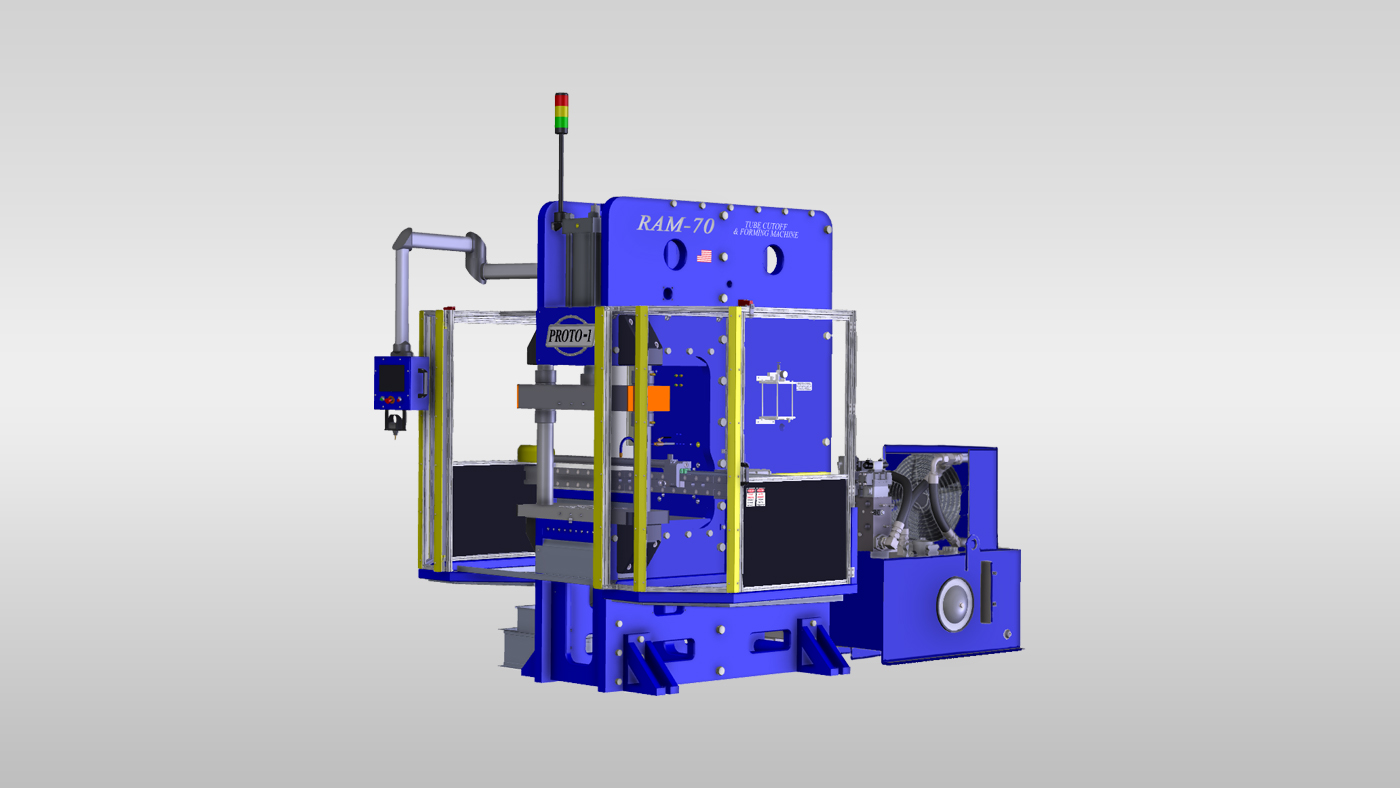
Tube End Forming Machine

Representative tube end forming machine type

Tube End Forming Machines

Hydraulic tube end forming machines in five TM models, from the TM-40 for tube up to Φ40 × 2.0 mm to the TM-120 for Φ120 × 2.0 mm — for expanding, reducing, flaring and beading tube ends on linear guide rails.

A tube end forming machine shapes the end of a tube instead of cutting it: expanding it to slip over another tube, reducing it to fit inside one, flaring it for a joint, or beading it so a hose stays on. The TM series from our Zhangjiagang partner factory covers five hydraulic models, from the TM-40 for tube up to Φ40 × 2.0 mm wall up to the TM-120 for Φ120 × 2.0 mm — the model number is the largest tube diameter the machine forms.

The forming head runs on linear guide rails, so there is no sliding wear and the formed end repeats accurately from piece to piece. Cycle times run from 3–4 seconds per 100 mm of stroke on the smaller models to 8–9 seconds per 140 mm on the TM-120, depending on the model — see the table below. The same factory also builds a combined tapering and embossing machine that works different tube diameters on a single die, tapers and embosses in one set-up and feeds hydraulically and automatically; ask us if that fits your part better.

How to choose: send us your tube diameter and wall thickness, the material, and a drawing or photo of the formed end you need — the shape of the end decides the tooling. We confirm the model and tooling with the factory in writing before quoting.

Specifications

SpecificationDetails
SeriesTM series · 5 models
ModelsTM-40 · TM-60 · TM-80 · TM-100 · TM-120
Max. tube diameterΦ40 × 2.0 mm to Φ120 × 2.0 mm depending on model
Working stroke100–150 mm depending on model
Hydraulic pressure4.5–14 MPa depending on model
GuideLinear guide rails — no sliding wear, good repeatability
Also availableTapering & embossing machine (one die for different diameters, hydraulic automatic feeding) — ask for details
Machine dimensionsConfirmed per model with your quotation
VoltageConfirmed for your country before ordering
PriceOn request — depends on model and tooling

Models

ModelMax. tube Ø × wall thicknessWorking strokeHydraulic pressureWorking speedMachine weight
TM-40Φ40 × 2.0 mm100 mm4.5 MPa100 mm / 3–4 s1100 kg
TM-60Φ60 × 2.0 mm130 mm12 MPa100 mm / 3–4 s1250 kg
TM-80Φ80 × 2.0 mm150 mm12 MPa130 mm / 5–6 s1600 kg
TM-100Φ100 × 2.0 mm150 mm14 MPa140 mm / 6–7 s1800 kg
TM-120Φ120 × 2.0 mm150 mm14 MPa140 mm / 8–9 s2500 kg

Frequently asked questions

What end shapes can the TM series make?

Expanding, reducing, flaring and beading are the standard end forms, and the exact shape is made by the tooling. Send us a drawing or a photo of the finished tube end and we confirm with the factory which model and tooling produce it.

Start from your largest tube: the model number is the maximum tube diameter it forms, so Φ80 mm tube starts at the TM-80. Then send us the wall thickness, material and the end shape — we confirm the final model and tooling before quoting.

Tooling is made for your tube diameter and end shape and is confirmed item by item in the quotation, so you know exactly what is included before you order.

No. Zibo Vista Trading Co., Ltd. is a trading company. The TM models come from a partner factory in Zhangjiagang that we have supplied machines from before; we confirm specifications, inspect the machine before shipment and handle the export.

Applications

End preparation for iron and steel tube in furniture making, automotive parts and fuel lines, air conditioning and refrigeration pipework, and any product where tube ends are joined, flared or beaded.

Where it is used: Automotive Exhaust Pipe Line — end forming for exhaust joints; Furniture Tube-Frame Line — frame tubes that slip together without welds; Refrigeration Pipework Line — copper tube ends for refrigeration and air-conditioning; E-Bike Manufacturing Line — end forming that can be added to the line.

Send an inquiry

Send us your tube diameter and wall thickness, the material, and a drawing or photo of the formed end you need — the shape of the end decides the tooling. We confirm the model and tooling with the factory in writing before quoting.

    Scroll to Top